

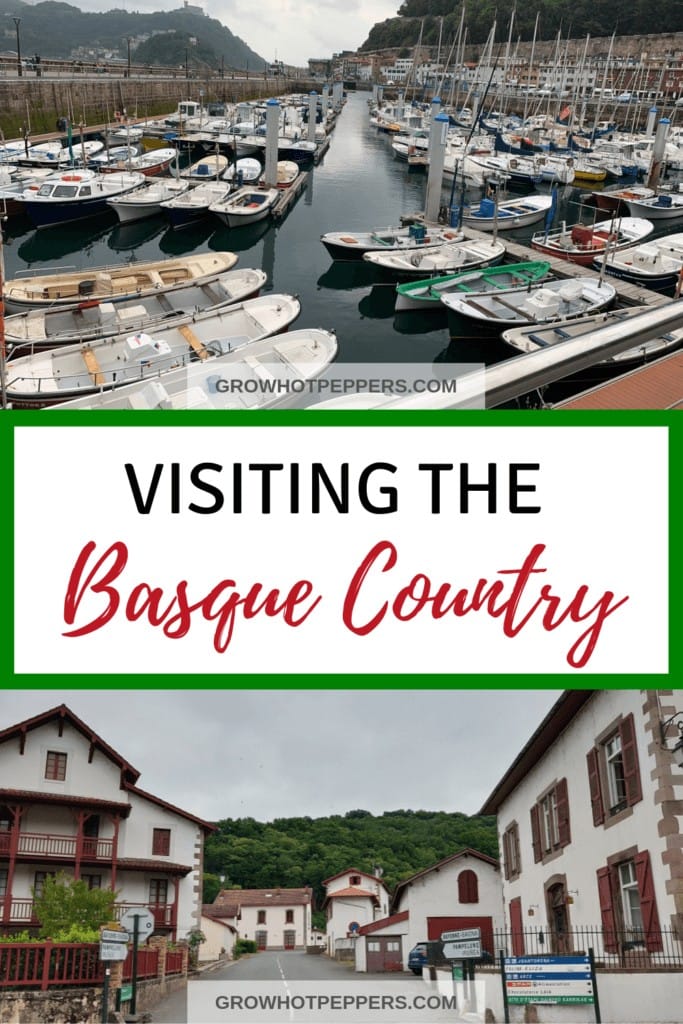
I feel incredibly blessed. (From what I hear, that’s a good thing. 🙂)
So what am I so happy about? I recently returned from a trip to Euskal Herria, which is the name of the Basque Country.
A little information:
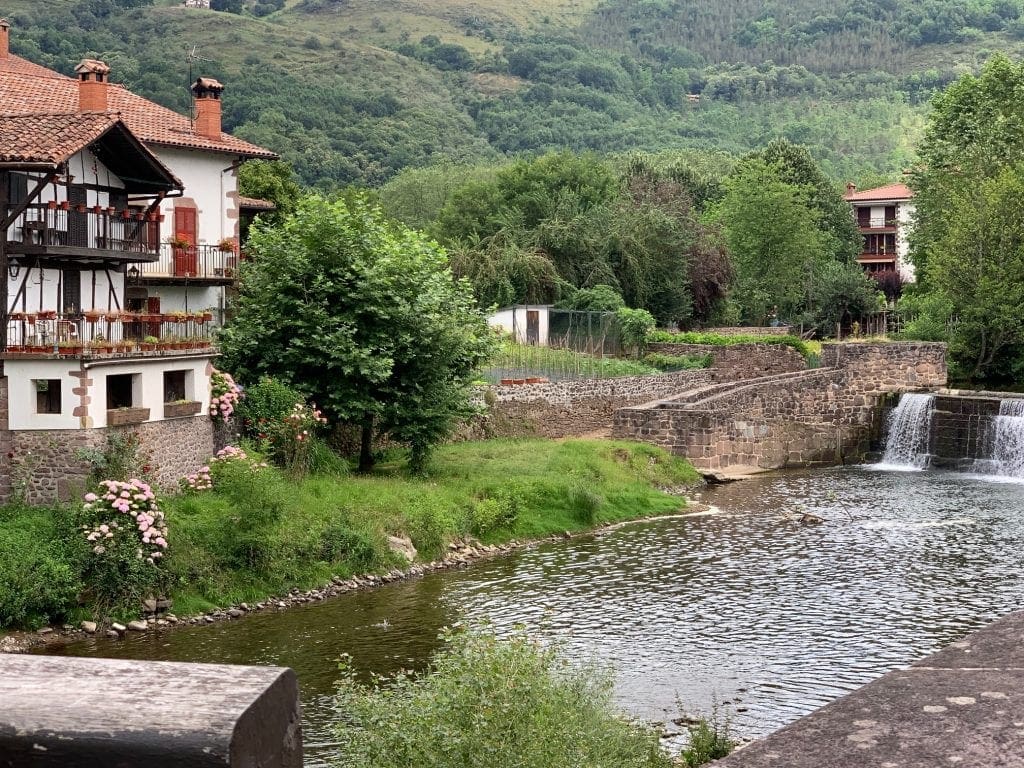
The Basque Country is located in the western Pyrenees Mountains between France and Spain, along the Atlantic Coast.
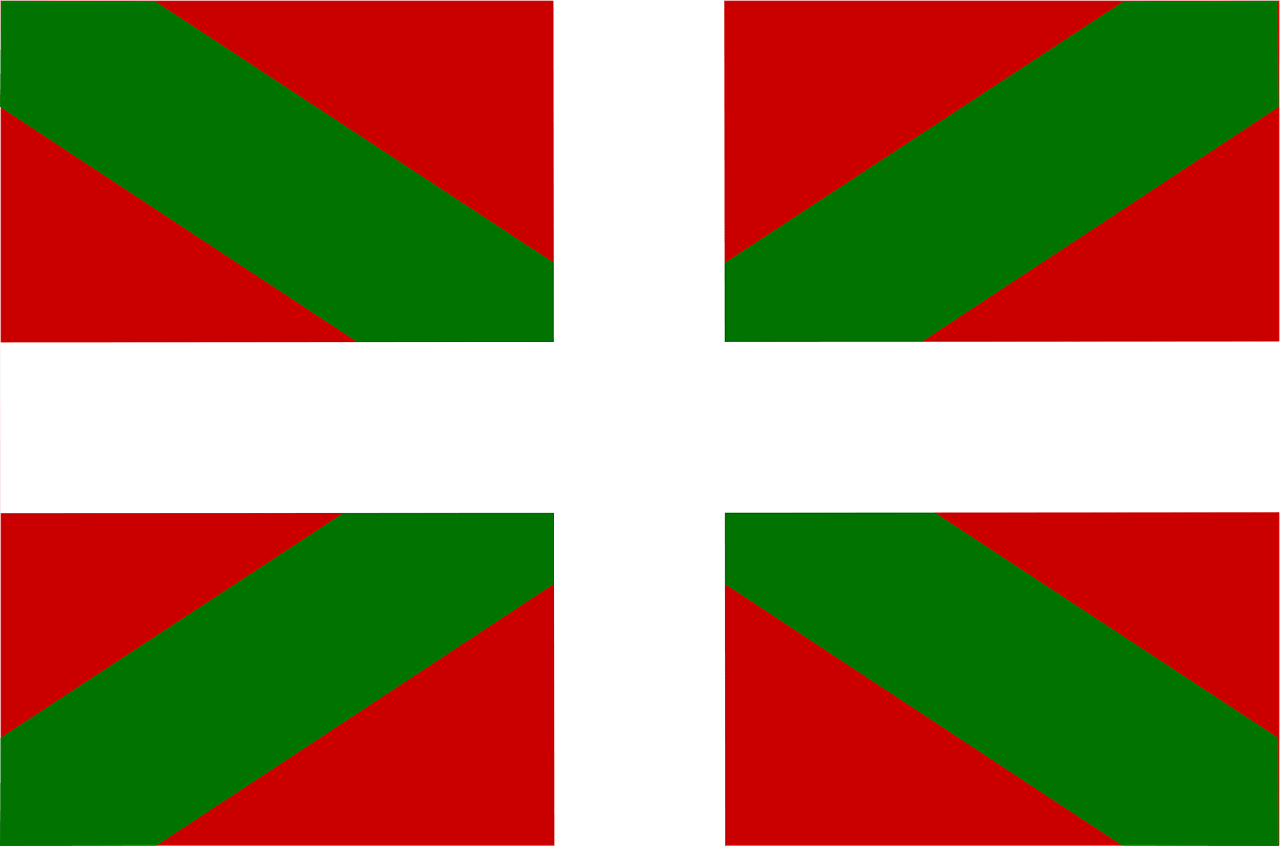
Though you won’t see the “Basque Country” listed on any map, it’s home to the ancient, indigenous culture of the Basque people. The Basque language — Euskera — is the oldest living language spoken in Europe today.
Back to the trip…
Part of my ethnicity is Basque, so when a group of my relatives wanted to visit the country, I was thrilled to join them.
This was always a trip I had wanted to make. Growing up, I wasn’t as exposed to the culture as some of my cousins were, but I was always taught to be proud of this heritage.
(Side note: This was also my first time leaving the United States for an extended period of time, so I had to give myself a crash course on how to pack for a trip like this. Here’s a Europe packing list in case you ever find yourself in the same situation!)
There is so much to this beautiful land and people — more than I can possibly describe in this post — so I hope you enjoy this brief visit with me. 😀
And, if you’d like to learn more about the Basques in general, please see the links I’ve included at the bottom.
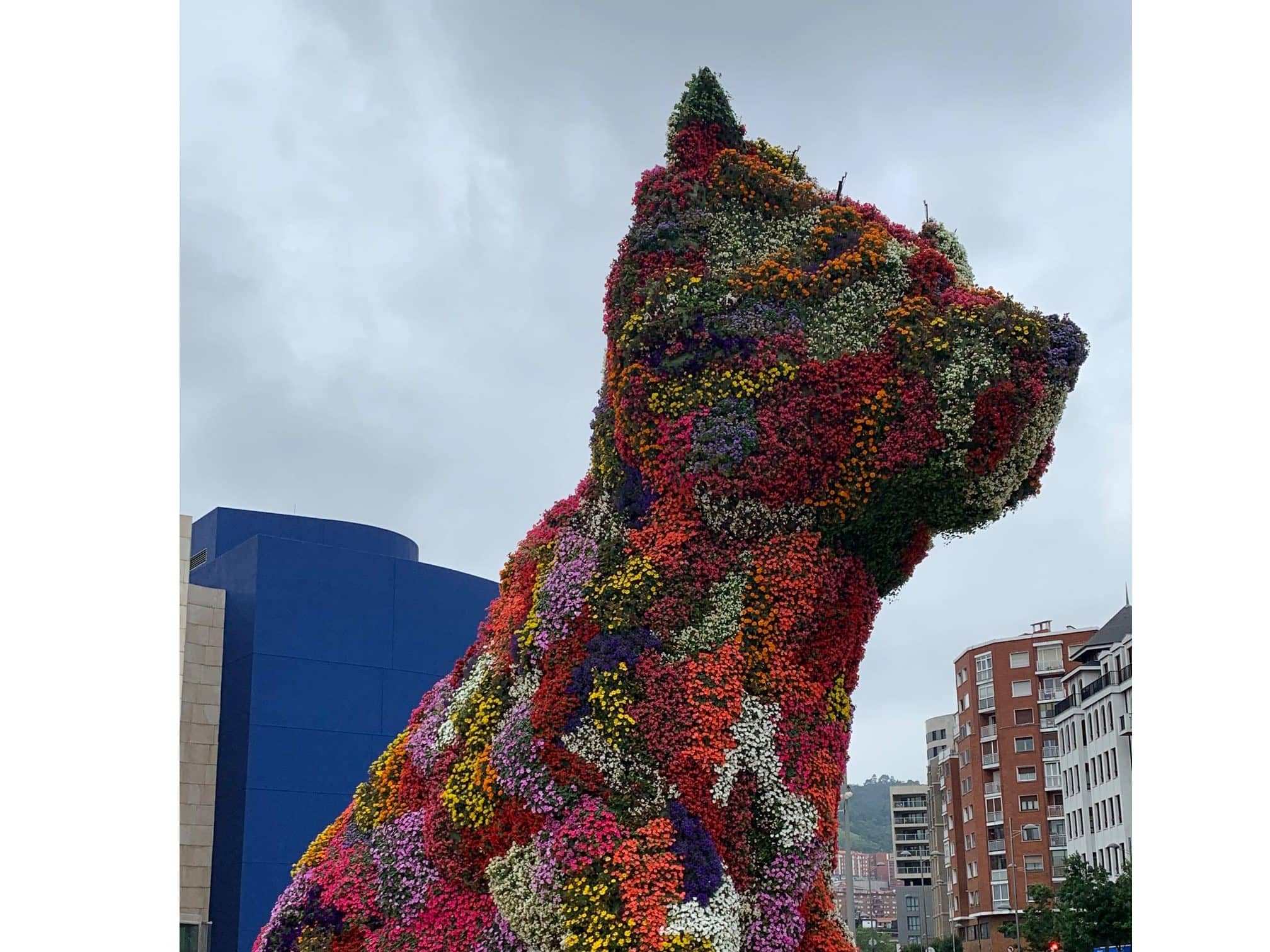
Our trip began when we landed in Bilbao — the largest city in the Basque Country. I didn’t get many pictures here, but I did get a shot of Jeff Koons’ “Puppy” sculpture outside the famous Guggenheim Museum.
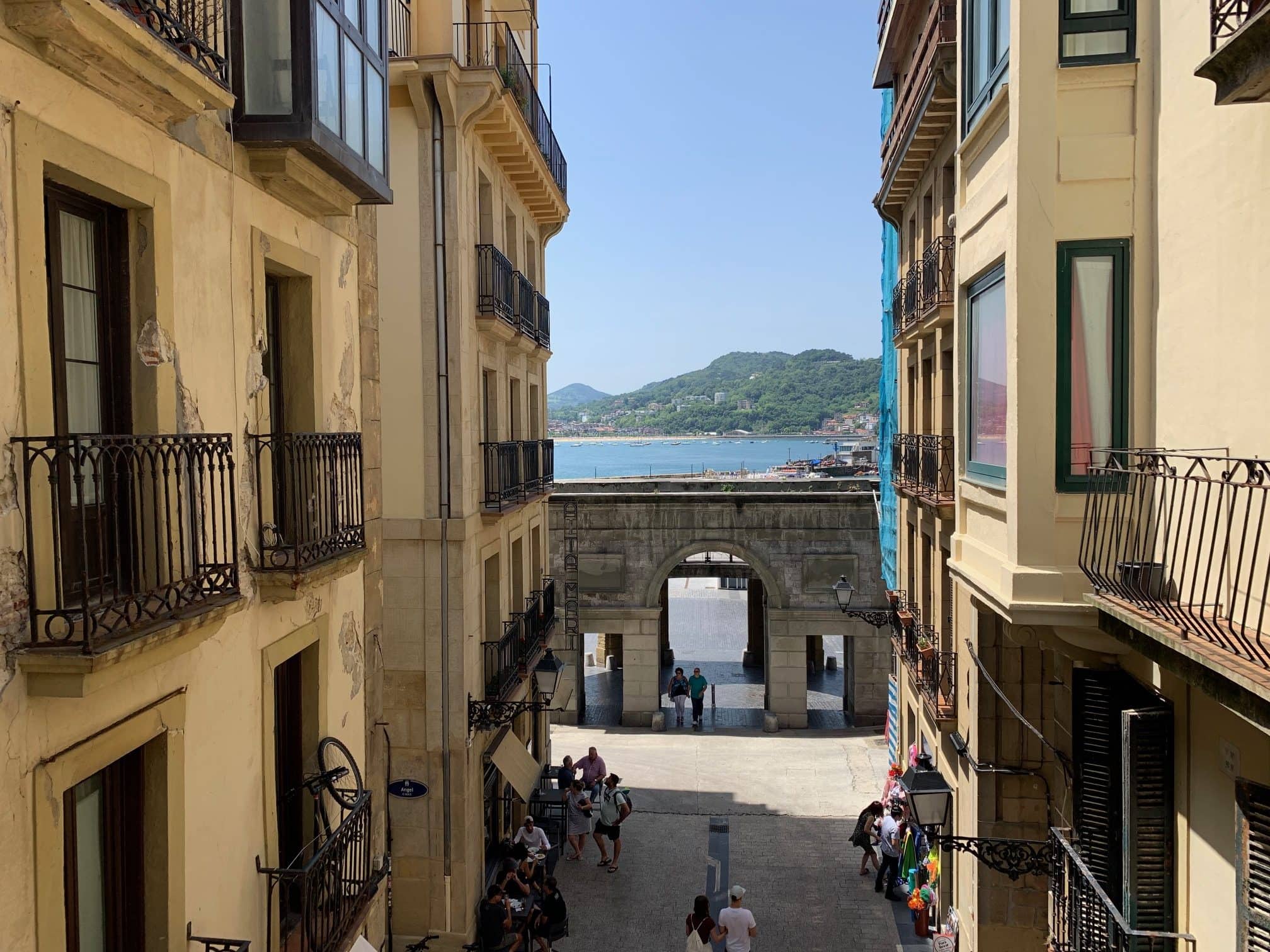
We centered our stay in San Sebastián (“Donostia” in Basque), which is on the Spanish side of the Basque Country. We slept in a small, hotel-like accommodation known as a “Pensión” in the city’s beautiful “Parte Vieja” or “Old Town.”
Here’s one of the views from the Pensión:
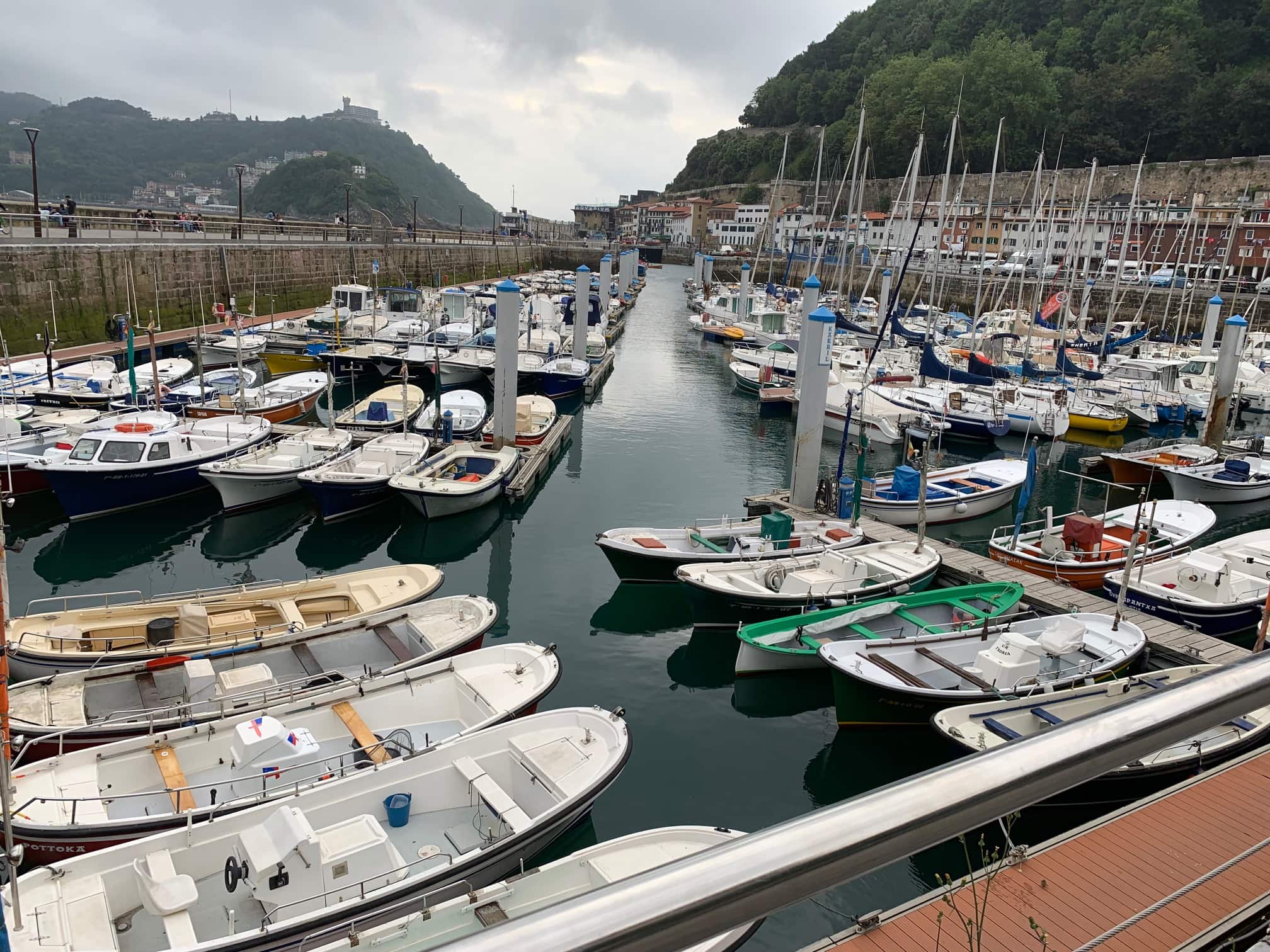
This gorgeous scene was just a few steps away from our accommodation:
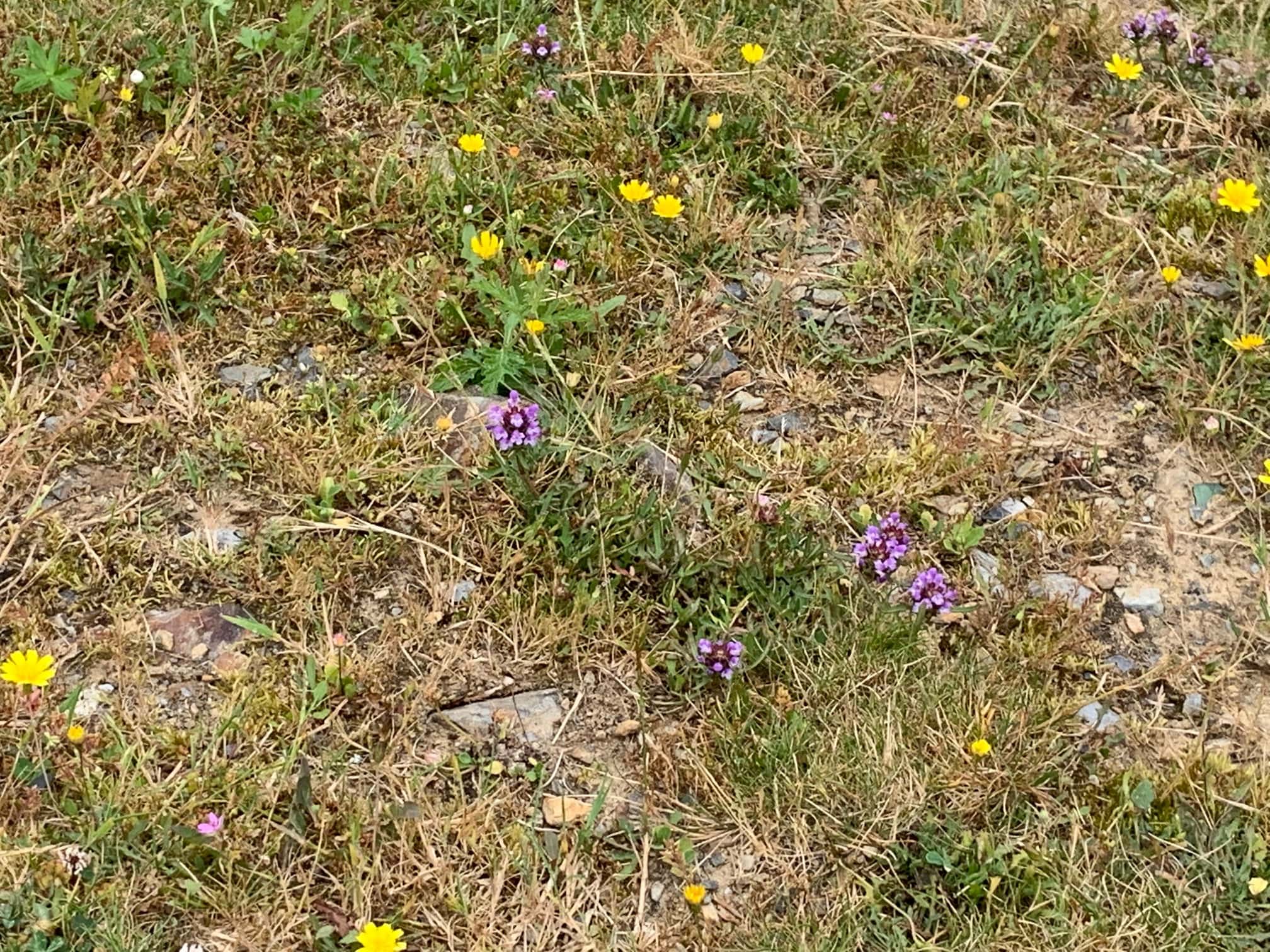
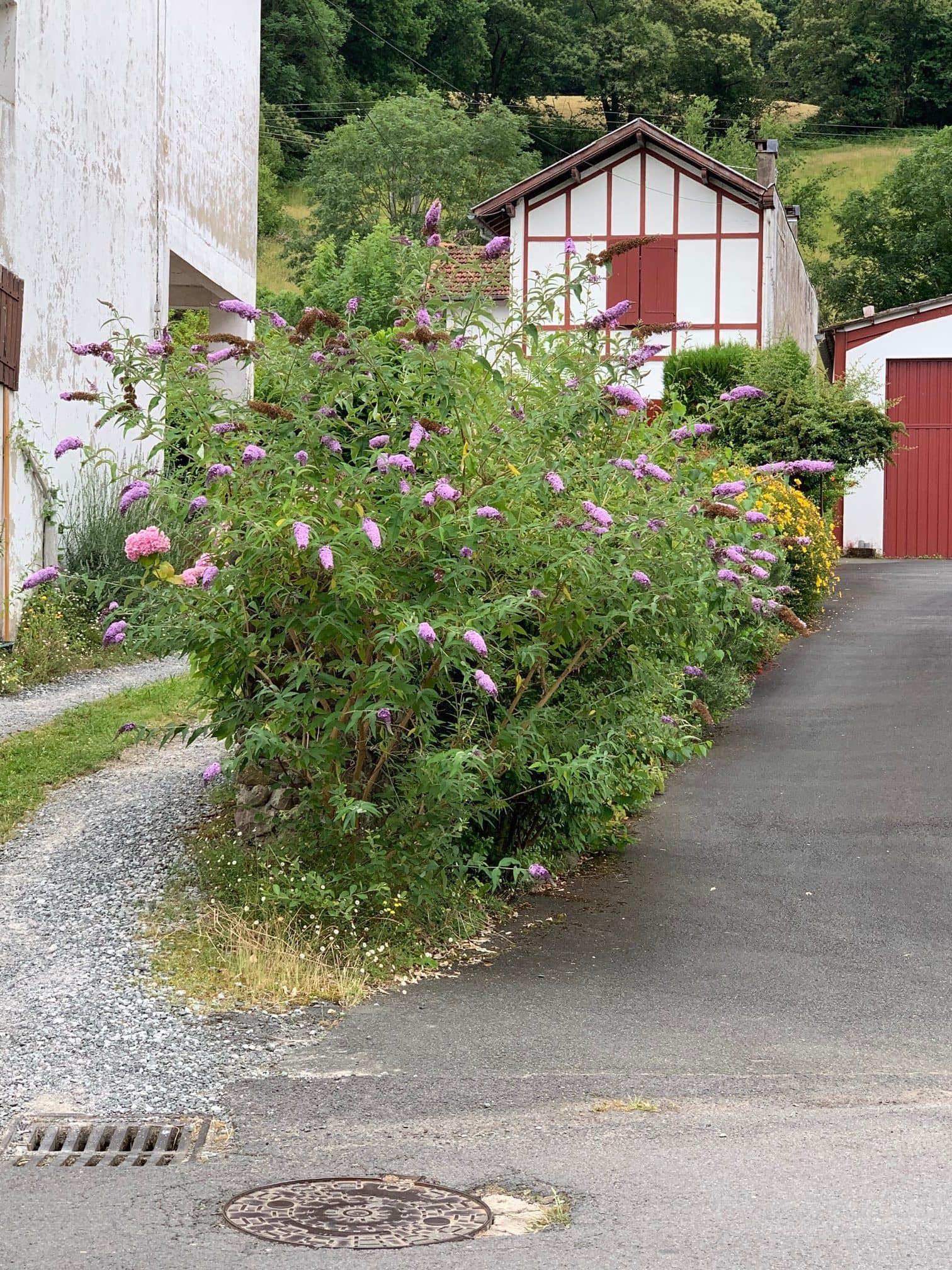
We also took a day trip to the French side of the Basque Country. (Speaking of day trips, it’s important to have a secure bag that travels well. Here’s a list of great sling backpack options.)
The buildings of the French Basque side typically have a striking white/red color palette:

My partner and I LOVE good food, and we let it be known that we were going to eat our way through the country. :)
Fortunately, delicious food is a huge part of the Basque culture…
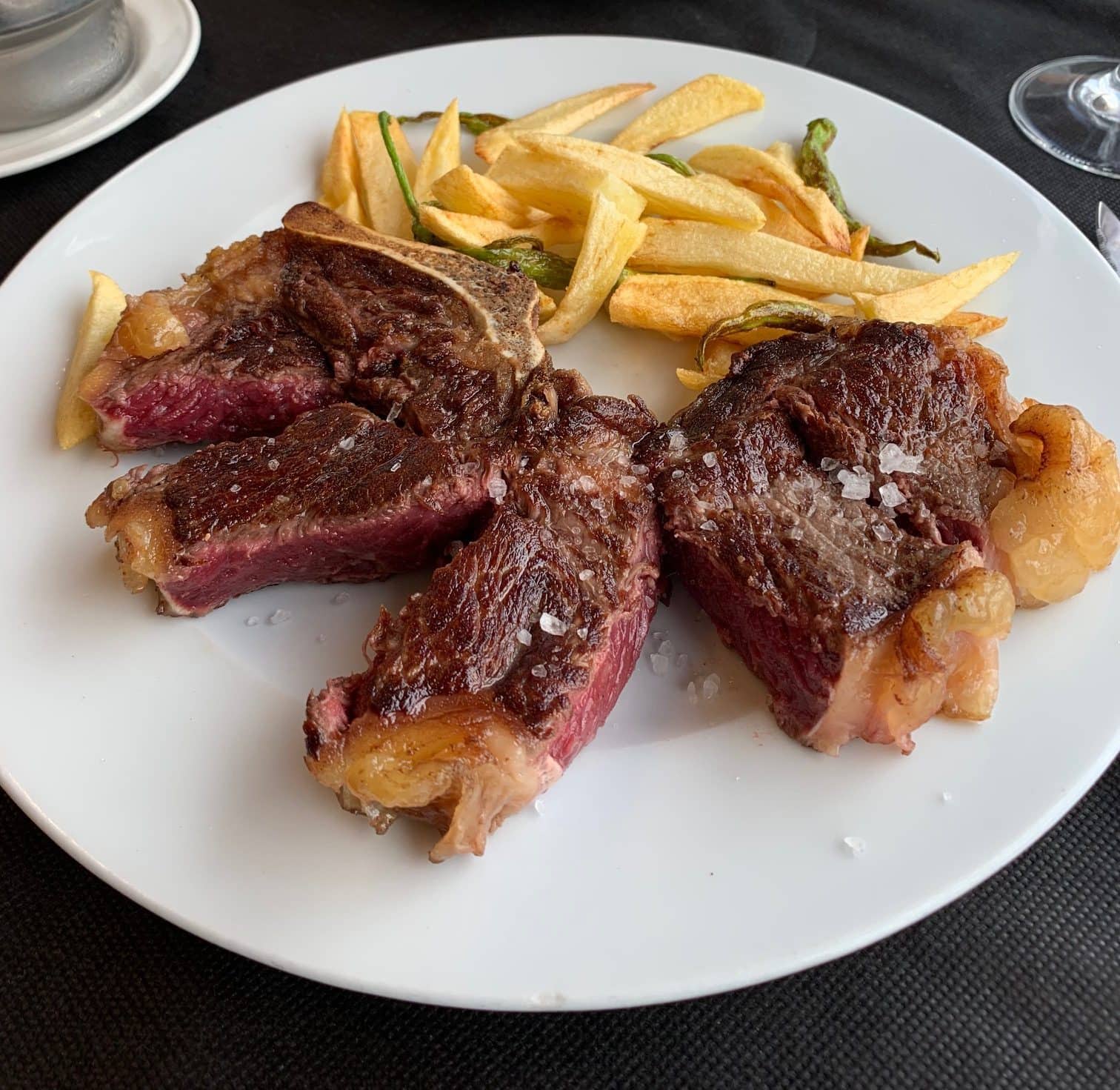
The picture above shows the first meal we ate called “Txuleta” or “Txuleton” steak. These large rib steaks come from aged cows, which can be anywhere between the ages of 8 and 18 years old. The idea is that the flavor intensifies as the animal ages.
In one word: DELICIOUS!
Food is serious business in the Basque Country. In fact, San Sebastián has 16 Michelin stars alone!
I didn’t make reservations in time to try one of those restaurants out. Luckily, you don’t need to eat in a 5-star restaurant to enjoy amazing food.
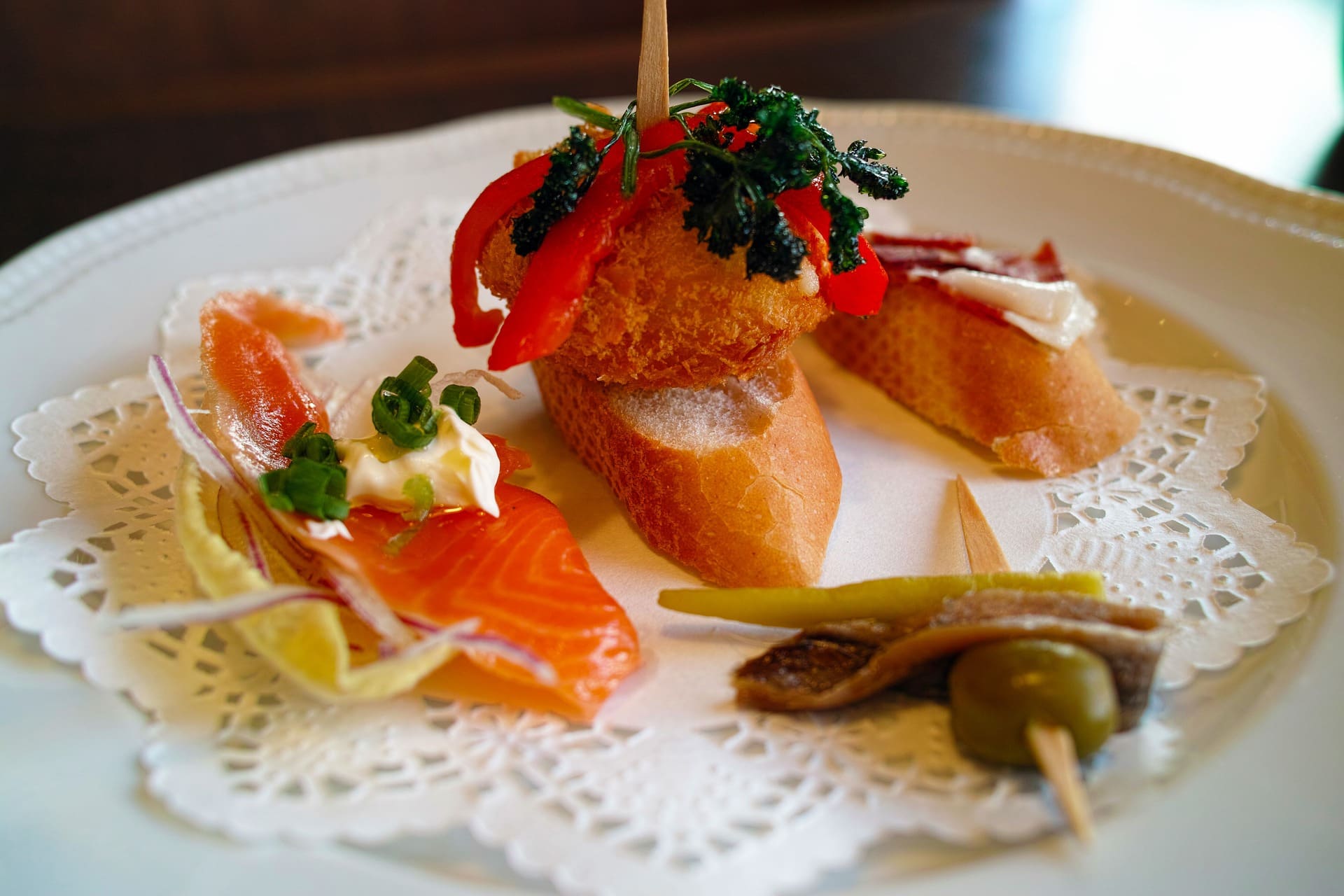
We enjoyed many sorts of foods from “Pintxos” bars. Pintxos, are the Basque version of “tapas” or small, shareable plates. These foods can be anything from skewered guindilla peppers with olives to “Pulpo a la Plancha” (grilled octopus).
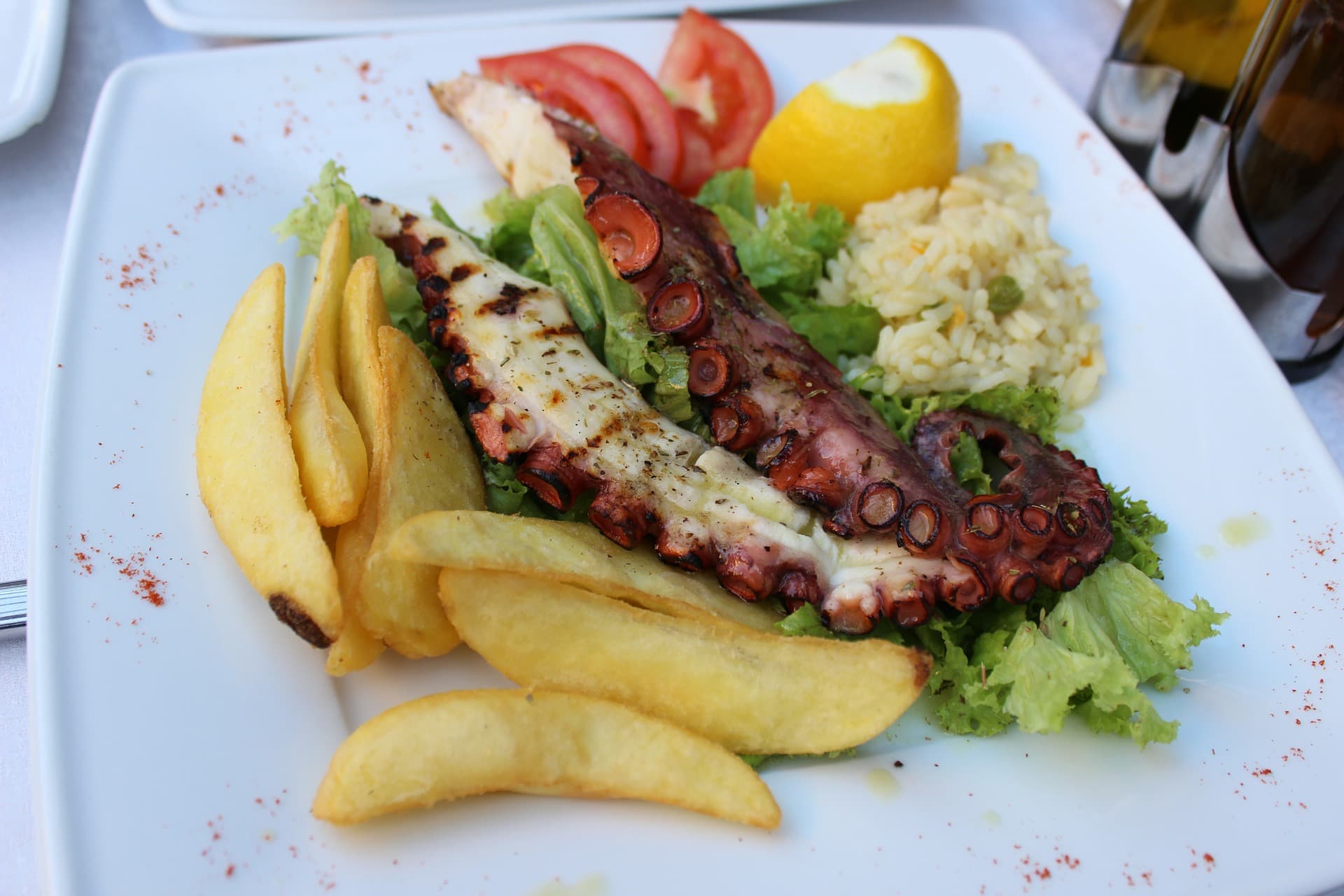
(I’d love to say I took the pintxos pictures, but I just ate before I even thought to snap some photos. Believe me, the food is that good and I just dug in. Ha ha!)
And, something touched me very deeply during my travels…
The Basque people, by default, eat seasonally and their food is always locally sourced. I loved walking by countless small shops featuring beautiful produce right by the front door.
We even picked a random restaurant to eat at one night, and the waiter told me about the fish they had pulled out of the ocean that day. What a privilege to have access to food like that!
Personally, I’ve seen incredible changes in my health and mind as a result of more mindful eating.
But, it’s not always easy to feed your body that way. (Especially, if you live in an area like I do where eating fresh is really difficult!)
That’s why I get such a pleasure out of showing people how to grow peppers, which effectively teaches you how to grow other foods too. You’ll be seeing more information on becoming self sufficient in this way in the next couple of weeks. (In case, that’s of interest to you too!) 🙂
Thank you for taking this journey with me. If you’d like to learn more about the Basque culture, here are some links:
- Basque Cuisine – San Sebastián Tourism
- Different Basque Peppers
- History of the Basque Country and Euskara: Bibliography
- North American Basque Organizations (NABO)
And, if you’d like to experience the Basque Country authentically, GoBasque.com is an outstanding boutique travel agency! They are wonderful people who make sure you have a great time. 🙂

